September 10, 2026
The exterior environment surrounding a building serves as the initial interface between the property and the outside world. Property owners dedicate vast resources toward interior renovations, ignoring the massive potential of their outdoor spaces. A pristine exterior establishes a strong identity and communicates a profound commitment to excellence. Neglected grounds project a negative image, deterring visitors and diminishing the overall atmosphere of the venue.
Proper attention to exterior grounds requires strategic planning and deliberate execution. Through thoughtful landscaping, proprietors transform barren plots into thriving environments. This transformation offers benefits extending beyond basic aesthetics. Deliberate outdoor design influences financial equity, ecological stability, and spatial utility. Exploring these distinct advantages reveals why investing in outdoor terrain remains essential for any residential dwelling or commercial enterprise seeking long-term viability.
1. Elevating the Visual Appeal
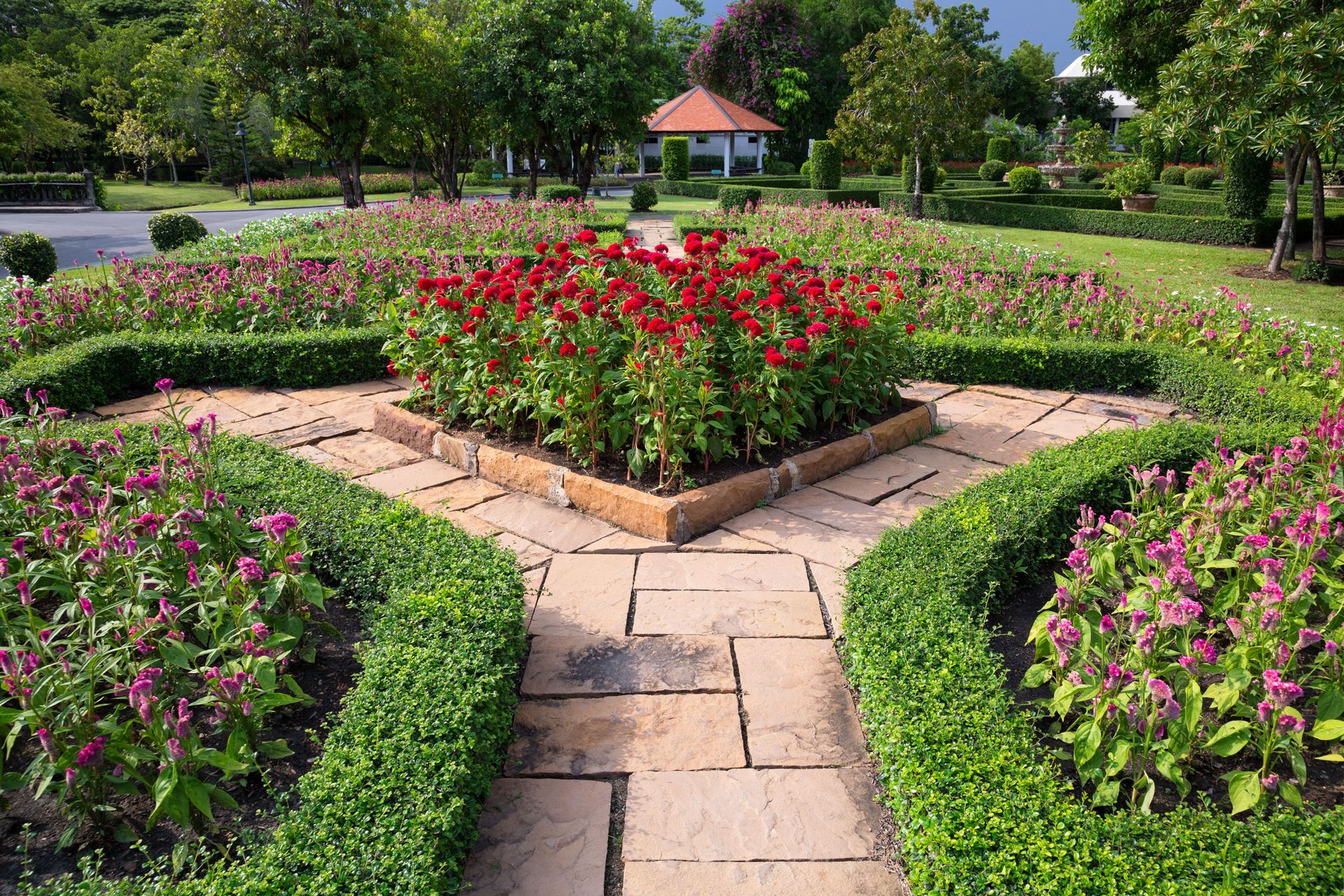
Aesthetic charm remains a primary motivation for exterior property enhancements. Thoughtful design elements combine vibrant flora, sturdy materials, and precise spatial arrangements to craft beautiful vistas. Bright blossoms contrast against structured stone pathways, creating a dynamic visual experience for anyone observing the grounds. Such harmony elevates a standard building into a striking landmark within any neighborhood or bustling business district. Good design captures immediate attention.
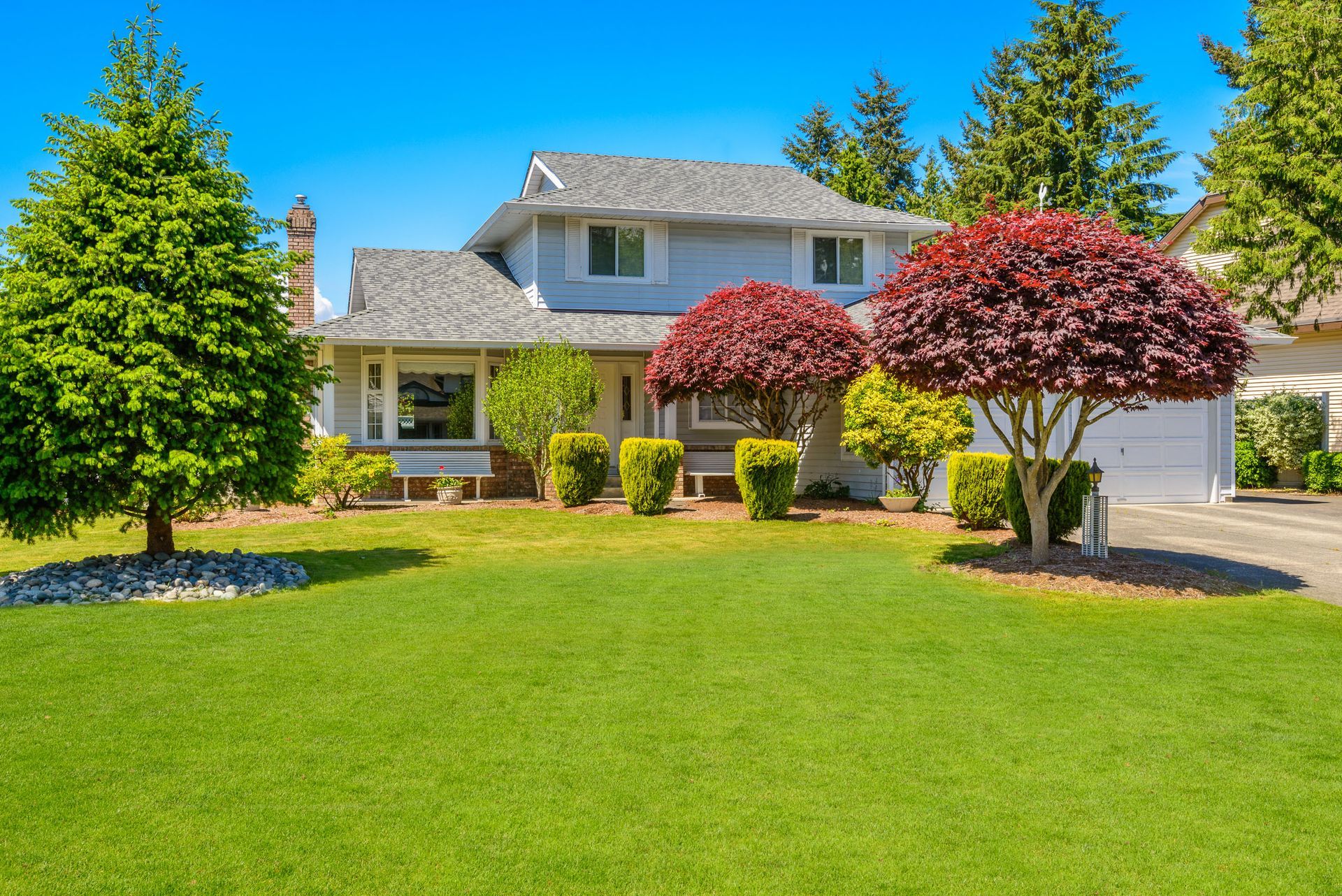
Initial judgments form within moments of arrival. For commercial enterprises, a well-kept entrance implies strict professionalism and unquestionable competence. For residential spaces, it suggests a warm, welcoming environment. Quality landscaping ensures these initial impressions remain positive and enduring. A neat lawn, pruned shrubs, and bright flower beds communicate rigorous attention to detail. Visitors and casual passersby interpret this care as a direct reflection of the inhabitants.
Plant selection dictates the ongoing visual narrative of the space. Designers choose specific foliage to ensure continuous year-round interest. Evergreen trees provide rigid structure during colder months, while perennial flowers offer bursts of intense color during warmer seasons. This shifting palette keeps the exterior looking fresh and engaging. Strategic plant placement highlights unique architectural features and masks unsightly utility areas from public view.
Sustaining this visual appeal requires ongoing dedication and appropriate maintenance strategies. Neglected plants wither, and untended pathways succumb to pervasive weeds, destroying the intended beauty. Consistent watering, precise pruning, and careful soil management preserve the artistic vision. A manicured exterior projects steadfast order and inherent stability. Such visual consistency rewards property owners with a beautiful environment to enjoy day after day without interruption.
2. Boosting the Financial Value
Beyond mere beauty, exterior improvements represent a substantial financial investment. Real estate markets reward properties boasting well-designed outdoor spaces with increased buyer interest. Prospective buyers show greater enthusiasm for venues featuring mature trees and styled gardens. The presence of professional landscaping elevates the market price of a parcel, offering owners a tangible return on their initial expenditures during a future sale or property appraisal.
This financial advantage applies to residential homes and sprawling business complexes alike. A premium exterior distinguishes a property in a competitive market. Buyers perceive well-maintained grounds as a sign of a well-maintained interior, reducing their anxiety about hidden defects. The perceived value rises, leading to higher initial offers and faster closing transactions. A beautiful exterior functions as an undeniable financial asset for any property owner.
Businesses rely on attractive exteriors to draw prospective clients and secure long-term tenants. A well-groomed office park commands higher lease rates than a barren alternative. According to Grand View Research, the commercial sector of the landscaping industry accounts for the largest portion of service demand at a 58.42% revenue share. Corporate entities understand that exterior investments yield direct economic benefits and bolster their brand image.
The financial benefits compound over time as the living elements mature. A sapling planted today grows into a massive shade tree, adding character and immense value years later. Unlike interior fixtures that degrade and look dated over the years, natural elements appreciate. This ongoing maturation means the financial return on exterior enhancements continues growing after the initial installation phase concludes and the builders depart.
3. Enhancing the Environmental Health
Cultivating green spaces provides significant ecological advantages. Urban and suburban areas suffer from excessive concrete and asphalt, which create stifling heat islands and disrupt natural ecosystems. Introducing diverse plants and permeable surfaces combats these negative environmental effects. Green spaces absorb incoming solar radiation, lowering ambient temperatures. This cooling effect creates a comfortable climate around the building and reduces indoor cooling costs during the summer.
Vegetation plays a crucial role in managing water and preventing detrimental soil erosion. Extensive root systems anchor the soil, preventing heavy rain from washing valuable topsoil away. Plants absorb vast amounts of rainwater, reducing the overwhelming burden on municipal drainage systems. This water management minimizes the risk of localized flooding and prevents harmful toxic pollutants from washing into nearby rivers and delicate local streams.
Air quality improvement stands as another vital ecological benefit. Plants undergo constant photosynthesis, absorbing ambient carbon dioxide and releasing fresh oxygen. Dense foliage also traps airborne dust and filters microscopic pollutants from the surrounding air. Urban landscaping acts as a natural air purification system. Breathing cleaner air benefits everyone living or working near these deliberate green spaces, promoting better overall respiratory health for the community.
Outdoor flora creates essential habitats for displaced local wildlife. Birds, bees, and vital pollinators rely on native plants for necessary food and secure shelter. Rampant urbanization strips these creatures of their natural homes, but intentional planting restores a vital portion of that lost habitat. Supporting local biodiversity strengthens the broader ecosystem. A vibrant garden hums with life, contributing to a much healthier planet for future generations.
4. Maximizing the Functional Space
A well-planned exterior extends the usable footprint of a given property. Raw land often features uneven terrain or impenetrable brush, rendering the space useless for human activities. Grading the earth and installing flat surfaces creates dedicated areas for varied activities. Patios, expansive decks, and level lawns provide venues for social gatherings, active recreation, or quiet reflection. These functional zones transform dead space into valuable real estate.
Spatial organization dictates how people interact with the outdoor environment. Intelligent landscaping uses dense hedges, stone retaining walls, and winding pathways to define specific interactive zones. A clear boundary separates a bustling dining patio from a playful recreation area or a serene meditation garden. This compartmentalization mimics interior rooms, bringing sensible order to the outdoors. Defined spaces encourage people to utilize the entire property.
Pathways and structured walkways guide daily foot traffic, preventing severe damage to delicate turf and directing casual visitors to designated building entrances. Hardscape elements provide safe, even passage across the property, keeping shoes clean and preventing dangerous slips on muddy ground. Thoughtful routing ensures smooth navigation through the vast grounds. Good design anticipates human movement patterns and provides clear, accessible routes for everyone traversing the specific area.
Safety and security represent integral components of functional exterior design. Strategic lighting illuminates dark walkways and deters unauthorized access during nighttime hours. Proper terrain grading directs standing water away from fragile building foundations, preventing severe structural damage. Removing precarious dead tree limbs prevents catastrophic property destruction during severe storms. A functional outdoor space prioritizes the physical well-being of the inhabitants and the lasting integrity of the building.
Cultivating a stunning exterior environment requires grand vision and sustained effort, but the ensuing rewards justify the exertion. Comprehensive landscaping delivers undeniable aesthetic, financial, environmental, and practical functional benefits. From creating a stunning visual profile to establishing a thriving local ecosystem, thoughtful outdoor design transforms any mundane property into an oasis. Owners who prioritize their sprawling grounds enjoy enhanced market value and enriched daily living experiences. If you are ready to transform your outdoor space, our team at TD Landscape is here to help. Reach out to us today to start planning your next landscaping project.